Hither Green upholstery cleaning trusted local options
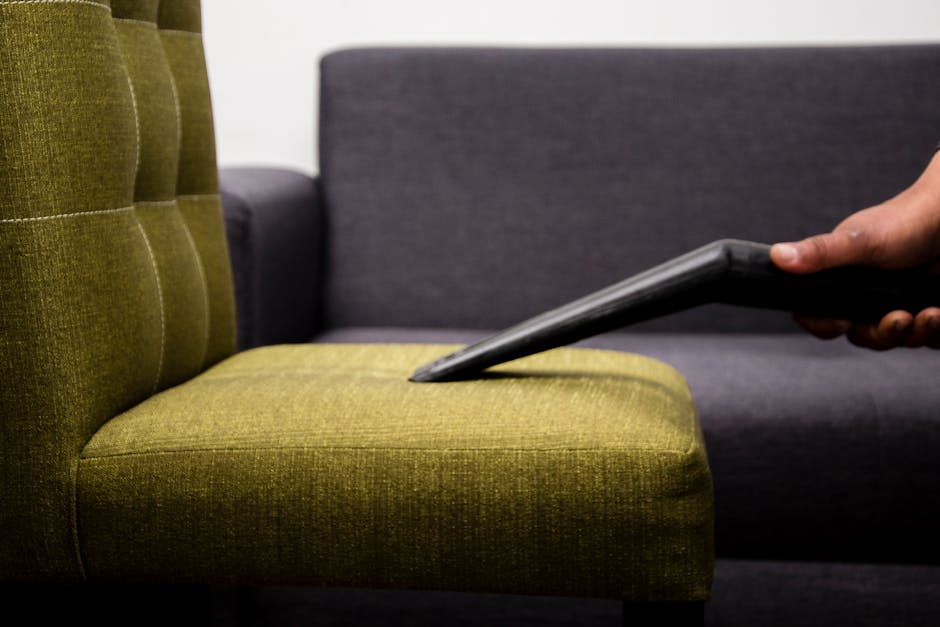
If your sofa is looking a bit tired, your dining chairs have picked up everyday grime, or a favourite armchair has started to hold onto smells, you are not alone. Upholstery takes a beating in real homes and workplaces. Tea spills, pet hair, muddy hands, sun fade, crumbs in the seams - it all adds up quietly, then one day it suddenly looks obvious. That is where Hither Green upholstery cleaning trusted local options become genuinely useful: not just for making fabrics look better, but for helping them last longer and feel fresher again.
In Hither Green, people often want a service that is straightforward, careful, and local enough to feel accountable. Fair enough. You want someone who understands fabric types, drying times, stain risks, and how to work around family life or a busy schedule. This guide walks through how upholstery cleaning works, what to look for in a trustworthy local provider, where the value really is, and how to avoid the usual mistakes that can leave fabric worse off than before.
Table of Contents
- Why trusted local upholstery cleaning matters
- How upholstery cleaning works
- Key benefits and practical advantages
- Who this is for and when it makes sense
- Step-by-step guidance
- Expert tips for better results
- Common mistakes to avoid
- Tools, resources and recommendations
- Law, compliance, standards and best practice
- Options and method comparison
- Case study or real-world example
- Practical checklist
- Conclusion
- Frequently asked questions
Why Hither Green upholstery cleaning trusted local options Matters
Upholstery is one of those household features you stop noticing until it becomes uncomfortable, stained, or a bit whiffy. It sits there every day, taking on body oils, dust, pet dander, spilled drinks and the odd bit of food. And because fabric furniture is used so casually, many people leave it far longer than they should.
Trusted local options matter for a simple reason: upholstery is not one-size-fits-all. A cotton blend sofa, a velvet chair, a synthetic office seat, and a wool-rich armchair all behave differently. The wrong cleaning method can cause water marks, shrinkage, colour loss, or flattened pile. That is why local experience is worth something. A cleaner who regularly handles a range of fabrics in London homes tends to know the little warning signs that matter.
There is also a practical side. If someone is based locally, they are easier to book, easier to reach, and more likely to understand the pace of domestic and small business life in the area. If you need a quick turnaround before guests arrive, or you want to freshen a flat between tenancies, local availability can make all the difference. A late afternoon appointment, a sensible drying plan, a quick walk-through before they leave - these things sound minor until you need them.
Trust is the big one, though. Let's face it, furniture sits in your living room, often around children, pets, and the stuff of daily life. You want a provider whose process is clear, whose pricing is sensible, and whose approach feels careful rather than rushed. A good place to start is to check whether the company explains its service clearly, as well as related policies like who they are, how they approach insurance and safety, and their health and safety standards. That alone tells you a lot.
How Hither Green upholstery cleaning trusted local options Works
Most professional upholstery cleaning starts with inspection. That sounds basic, but it is where a lot of the value sits. The cleaner should identify the fabric type, look for labels or care instructions, check for existing stains, note wear on seams and arms, and decide whether the item can tolerate moisture, heat, or agitation. A quick guess is not enough. Not really.
From there, the method is chosen. In many cases, upholstery cleaning involves a controlled process using suitable pre-treatment, gentle extraction, and careful drying. Some fabrics need low-moisture work. Others can handle more intensive cleaning. A competent cleaner will adjust the method rather than forcing the same approach onto every item. That flexibility is what keeps the fabric safe.
For tougher marks, spot treatment may be used first. This is where professional stain handling becomes important. The cleaner may work on food spills, drink stains, pet accidents, or oil-based marks before the main clean. If odour is part of the issue, you may need a more targeted approach, which is where services such as pet stain and odour removal can be useful alongside upholstery work.
Drying matters almost as much as the cleaning itself. Too much moisture can leave a sofa feeling damp for hours, or even create a stale smell if ventilation is poor. Good local providers usually set realistic expectations for drying time and give aftercare advice. Open windows, a bit of airflow, maybe a fan if needed - simple, but effective.
If the item is part of a larger refresh, upholstery cleaning may sit alongside other services too. For example, households often combine it with carpet cleaning, rug cleaning, or curtain cleaning to make the whole room feel properly reset. That usually makes more sense than piecemeal cleaning spread out over months.
Key Benefits and Practical Advantages
The obvious benefit is appearance. Clean upholstery immediately makes a room feel brighter, better kept, and more comfortable. But there is more going on than a visual lift.
- Improved freshness: fabrics often hold odours from pets, cooking, smoke, and daily use.
- Better fabric life: removing built-up grime can reduce wear on fibres and seams.
- Healthier indoor environment: regular cleaning can reduce dust and allergens trapped in upholstery.
- Stronger first impression: important if you host guests, let property, or run a client-facing business.
- More cost-effective than replacement: in many cases, cleaning is far cheaper than buying new furniture.
There is also a small but real emotional benefit. A freshly cleaned sofa or armchair can make the whole home feel calmer. The room looks less cluttered somehow, even when nothing else has changed. You sit down and notice the difference under your hands - the fabric feels less sticky, less flat, less old. Hard to quantify, but easy to feel.
For landlords and small businesses, the practical upside can be even clearer. Clean seating helps maintain standards between occupiers or at busy times of year. If you manage shared spaces, waiting areas, or reception furniture, a reliable local service can prevent a "we should have dealt with that sooner" moment. And those moments, annoyingly, always arrive at the worst time.
Who This Is For and When It Makes Sense
Upholstery cleaning is not just for people with visibly dirty furniture. In fact, some of the best reasons to book are preventative. If you wait until the fabric looks truly awful, stains may have set deeper and odours become harder to shift.
This service makes sense for:
- families with children and everyday spills
- pet owners dealing with fur, drool, or accident spots
- tenants wanting to leave a property in a better state
- landlords preparing between lets
- homeowners refreshing a lounge or dining space
- small offices with fabric chairs and waiting-room seating
- anyone buying or selling a property and wanting rooms to look cared for
It is also worth considering after a period of heavy use. Think winter months when windows stay shut, muddy shoes come in more often, and the sofa becomes the default place for everything from snacks to laptop work. By spring, the change is often more noticeable than people expect. A cleaning visit at the right time can reset things nicely.
Sometimes the decision is about fabric condition rather than visible dirt. If the upholstery has become dull, rough, or flat in the high-contact areas, a professional clean may help restore a more even look. If you are unsure whether your item is suitable, a provider with clear service information such as upholstery cleaning and sofa cleaning guidance is usually easier to trust than one that just says "yes, we clean everything".
Step-by-Step Guidance
If you are comparing trusted local options in Hither Green, it helps to understand the process before you book. That way, you can ask sensible questions and spot a professional approach quickly.
- Identify the item and fabric. Ask whether the cleaner will inspect the material before starting. Different fabrics need different methods.
- Discuss the problem areas. Be clear about stains, odours, pet issues, or general dullness. The more accurate the brief, the better the result.
- Request a method explanation. A good cleaner should be able to explain whether they will use low-moisture cleaning, extraction, pre-treatment, or targeted stain removal.
- Check drying expectations. Ask how long the item is likely to take to dry and what affects that time. Room temperature and ventilation matter a lot.
- Prepare the space. Move small items, clear cushions if asked, and make access easy. It speeds up the job and reduces risk.
- Watch the pre-treatment stage. This is often where the cleaner tackles stubborn marks. It is a good sign if they do not rush it.
- Allow proper drying. Avoid sitting on the item too soon. That sounds obvious, but people do it anyway because life is life.
- Follow aftercare advice. A quick note about ventilation, brushing pile, or avoiding certain products can help preserve the result.
One practical detail people forget: ask what happens if a stain does not fully lift. Some marks are permanent, especially if they have been heat-set, scrubbed badly before, or allowed to sit for too long. Honest cleaners will usually say so rather than promising miracles. That honesty is actually a good sign.
Expert Tips for Better Results
Small choices can make a real difference to the final finish. These are the kinds of things experienced cleaners tend to mention early, because they save hassle later.
- Vacuum first if you can. Loose dust and crumbs get in the way of a deeper clean.
- Blot, don't rub. Rubbing pushes spills deeper and can rough up the fibres.
- Act quickly on fresh spills. The first ten minutes can matter a lot.
- Keep windows open after cleaning. Airflow helps drying and reduces lingering dampness.
- Test any home product carefully. Random sprays and "miracle" cleaners are often more trouble than they are worth.
- Tell the cleaner about past treatments. If a stain has already been scrubbed, steamed, or treated with detergent, that changes the job.
In our experience, the best results often come from plain communication. If the sofa gets used heavily by pets, say so. If there is a hidden stain under a throw, mention it. If the armchair has a delicate finish or old repair, point it out. You do not need to write a long story about it. Just enough to help.
Another useful tip: think beyond the single item. A room with cleaned upholstery, fresh curtains, and properly maintained carpets feels coordinated and clean in a way that one piece alone rarely does. That is why some customers choose a broader refresh that includes steam carpet cleaning or related services. It is a bit like tidying one shelf versus the whole room. Different feeling entirely.
Common Mistakes to Avoid
Upholstery cleaning sounds simple until something goes wrong. Then it suddenly becomes very not-simple. Here are the mistakes that cause most of the avoidable pain.
- Using too much water at home. This can leave rings, prolonged damp, or hidden moisture in the padding.
- Scrubbing aggressively. It can spread the mark and damage the surface texture.
- Ignoring care labels. Fabric codes exist for a reason, even if they are annoyingly tiny.
- Choosing only on price. The cheapest option is not always the best value if the fabric needs specialist handling.
- Not checking insurance or policies. A trustworthy provider should be transparent about safety and complaints handling.
- Expecting every stain to vanish. Some marks are permanent. Better to know that upfront.
There is a funny little pattern here: many upholstery problems are made worse by trying to fix them too quickly. A rushed home remedy feels productive, but it can lock in the stain or alter the fabric surface. If you are unsure, step back and let the professional assess it. Better a cautious approach than a regretful one.
Tools, Resources and Recommendations
You do not need to become an upholstery technician yourself, but a few basics help you choose well and care for the result afterwards.
Useful things to have at hand:
- a soft brush for light grooming of fabric after drying
- a vacuum with an upholstery attachment
- clean, absorbent cloths for blotting spills
- good ventilation in the room
- photos of the item before cleaning, especially if a stain is a concern
When comparing providers, look for clarity in their service pages and supporting information. A company that explains its wider approach to pricing and quotes, payment and security, and terms and conditions is often easier to deal with than one that keeps everything vague. That does not guarantee perfection, of course, but it does reduce surprises.
If sustainability matters to you, it is also reasonable to check whether the company discusses recycling and sustainability. Responsible disposal of waste water, product use, and general housekeeping may sound unglamorous, but it is part of a modern service worth paying attention to.
Law, Compliance, Standards and Best Practice
For upholstery cleaning in the UK, the main point is not a single dramatic rulebook. It is more a combination of good practice, care, and honest business behaviour. If a cleaner works in your home or premises, they should operate safely, communicate clearly, and handle personal data and payments responsibly.
In practical terms, best practice usually means:
- clear pricing information before work begins
- appropriate insurance for work carried out in customer premises
- careful handling of chemicals and equipment
- respect for fabric manufacturer guidance where available
- proper complaint handling if something goes wrong
For commercial settings, safety and scheduling become especially important. Chairs in offices, waiting rooms, or hospitality areas may need cleaning with minimal disruption and a sensible drying plan. That is where a provider with a dedicated commercial carpet cleaning mindset often brings useful discipline, even if the main job is upholstery rather than floor covering.
It is also sensible to confirm that a company is open about insurance and safety, and that it has a complaints procedure in place. These are not exciting details, granted, but they are exactly the sort of details that tell you how a business behaves when the day is not going perfectly. And really, that is when you learn the most.
Options, Methods, or Comparison Table
Not every upholstery job needs the same level of intervention. The right method depends on fabric type, soil level, stain type, and drying tolerance. Here is a simple comparison to help you think it through.
| Option | Best for | Strengths | Watch-outs |
|---|---|---|---|
| Light maintenance clean | Routine freshening, low soil | Quick, gentle, useful between deeper cleans | May not shift deep stains or odours |
| Targeted stain treatment | Spots, spills, isolated marks | Focused, efficient, less invasive | Some stains are permanent or partly set |
| Deep upholstery extraction | General grime, heavy use, fuller refresh | More thorough visual and hygienic reset | Needs careful drying and fabric suitability |
| Combined room refresh | Homes wanting a broader clean | More cohesive finish across furniture and floors | Takes more planning and time |
For a lot of Hither Green households, the middle ground works best: a sensible clean with targeted treatment for the problem spots. Not overkill, not undercooked. Just enough to bring the furniture back to life without turning the job into a whole-day drama.
Case Study or Real-World Example
Picture a typical family living room on a Friday afternoon. The sofa has faint food marks from years of snacks, one armchair holds onto a pet smell after rainy walks, and the fabric looks a little flat under the window. Nothing disastrous. Just enough to make the room feel less inviting than it should.
A good local cleaner would usually start by identifying the fabrics, then dealing with the odour-prone area first, followed by the visible marks on the seating. In a real-world job like this, the best result is not always a "brand new" look. More often, it is a cleaner, brighter, more comfortable room that feels cared for again. The owner notices it straight away when they sit down that evening. The room feels lighter. Smells better too. Simple, but pleasing.
That is the part people often underestimate. Upholstery cleaning is not just about stain removal. It is about restoring the feel of the room. If you have ever walked into a lounge after the sofa has been cleaned properly, you will know what I mean. It quietly changes the space.
Practical Checklist
Use this quick checklist before booking a local upholstery cleaning service in Hither Green:
- Have I identified the item and its fabric type?
- Have I noted any stains, smells, or damage?
- Has the cleaner explained the likely method?
- Do I understand the drying time and aftercare?
- Have I checked for insurance and safety information?
- Do the pricing details feel clear and fair?
- Have I asked about related services if needed, such as carpets or curtains?
- Am I comfortable with the company's complaint process and overall professionalism?
- Have I cleared the area so the cleaner can work safely?
- Do I know what to do after the clean to keep the result longer?
Quick takeaway: the best local option is rarely the loudest one. It is usually the one that explains things clearly, handles fabric carefully, and gives you confidence before they even start.
Conclusion
Finding Hither Green upholstery cleaning trusted local options is really about balancing convenience, skill, and trust. You want a cleaner who understands fabrics, gives honest expectations, and treats your home or premises with care. That matters whether you are dealing with one tired armchair, a family sofa that has seen too many winters, or a set of office chairs that need a proper refresh.
The strongest choice is usually the one that feels clear from the start: sensible advice, careful methods, straightforward pricing, and a professional approach to safety and aftercare. If you can get those pieces lined up, the rest tends to follow naturally. And yes, your furniture may thank you in the most understated way possible.
If you are planning a broader refresh, it can also help to compare upholstery cleaning with nearby services such as stain removal or mattress cleaning so you can deal with the whole problem in one go rather than stretching it out. Little things, but they add up.
Get a free quote today and see how much you can save.
Frequently Asked Questions
How often should upholstery be professionally cleaned?
It depends on usage. Family sofas, pet-friendly homes, and busy office seating usually benefit from more regular cleaning than lightly used furniture. A sensible rhythm is often based on visible soil, odour, and how much the item is used rather than a fixed calendar rule.
Can all upholstery fabrics be cleaned the same way?
No. Fabric type matters a lot. Some materials can tolerate moisture and extraction, while others need a much gentler approach. A proper inspection before cleaning is important, because the wrong method can cause shrinkage, colour loss, or texture damage.
Will professional upholstery cleaning remove all stains?
Not always. Fresh stains are usually easier than old ones, and some marks become permanent if they have been heat-set or rubbed badly. A good cleaner should give you realistic expectations before starting.
How long does upholstery take to dry?
Drying time varies with fabric, room ventilation, cleaning method, and weather. Some items dry fairly quickly; others take longer. Good airflow usually helps a lot. It is best to ask for an estimate when booking so you can plan your day properly.
Is upholstery cleaning worth it instead of replacing the furniture?
Often, yes. If the frame and structure are sound, cleaning can be a much more cost-effective option than replacement. It is especially useful when the issue is dirt, odour, or general dullness rather than physical damage.
What should I do before the cleaner arrives?
Clear small items from the area, vacuum lightly if you can, and point out any stains or delicate spots. If the item has had previous cleaning attempts, it helps to mention that too. A little preparation makes the job smoother.
Are local upholstery cleaners better than national chains?
Not automatically, but local providers can be easier to reach, more flexible with scheduling, and more familiar with the kind of homes and business spaces common in the area. Trust still depends on process, communication, and professionalism.
Can upholstery cleaning help with pet smells?
Yes, often it can. However, odour can sometimes come from deeper in the padding, not just the surface fabric. In those cases, targeted treatment may be needed, and sometimes a fuller approach works better than a light clean.
Is steam cleaning suitable for sofas and chairs?
Sometimes, but only when the fabric allows it. "Steam cleaning" is often used loosely, so the important thing is whether the method suits the material. A careful professional will choose the right process rather than using heat for the sake of it.
What makes a local upholstery cleaner trustworthy?
Clear communication, sensible pricing, insurance and safety information, realistic promises, and a proper complaints procedure are all good signs. Trust is built in the little details. A cleaner who explains things plainly is usually the safer bet.
Can I combine upholstery cleaning with other services?
Yes, and that is often practical. Many people combine it with carpet cleaning, rug cleaning, or curtain cleaning to refresh a room more completely. It can also save time and create a more consistent finish across the space.
What if I have a delicate or antique piece?
Say so before booking. Delicate, vintage, or antique furniture may need extra caution, and in some cases a specialist approach. The main thing is not to guess. If you are unsure, ask for an inspection and a cautious recommendation before any work begins.